
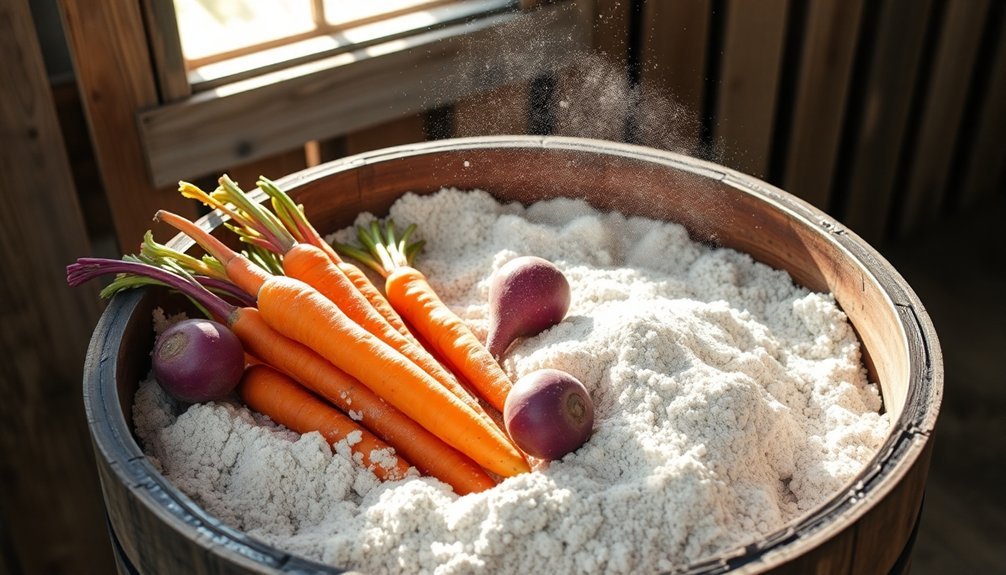
You can preserve food using wood ash, a time-tested method that naturally fights bacteria and fungi while controlling moisture. For best results, use clean hardwood ash from maple, oak, or hickory trees, and avoid ash from treated lumber or softwoods. You'll need a stoneware pot or earthenware crock, as metal containers can corrode from the ash's alkalinity. Place your dried foods like hard cheeses, eggs, or produce directly in sifted ash, then store in a cool, dark place. This chemical-free preservation technique can extend food storage from months to years, and there's much more to discover about this ancient practice.
Why Wood Ash Works
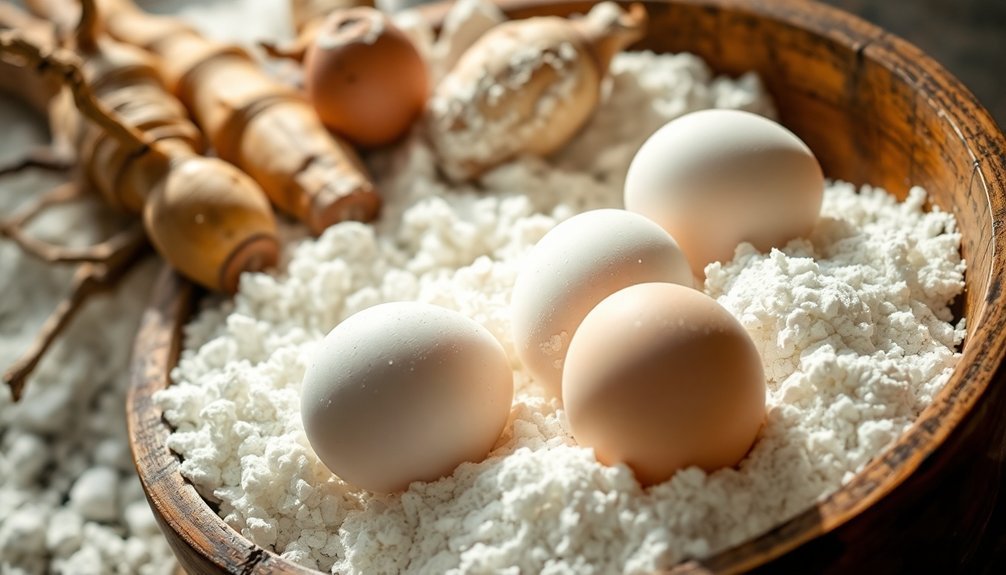
Four key mechanisms make wood ash an effective food preservative.
First, its powerful antimicrobial properties fight both bacteria and fungi that cause food spoilage. You'll find it's especially effective against Gram-positive bacteria, and even at low concentrations of 5%, it can stop fungal growth. When you use wood ash lye at 20% concentration, it'll kill E. coli within just five minutes.
The second mechanism is moisture absorption. You'll notice wood ash pulls moisture from its surroundings, creating a dry environment that prevents microorganisms from thriving. This is why you can preserve eggs for up to a year when you store them in ash.
Third, you'll appreciate how wood ash naturally deters pests. It creates conditions that both insects and mammals avoid, protecting your stored food without using chemical pesticides. The preservation method can extend food viability from 3 months to years.
Finally, when you combine wood ash with proper storage conditions – cool, dark spaces in earthenware crockery or simple cardboard boxes – you'll maximize its preservation potential. The ash helps shield your food from air exposure, which slows down natural biological processes that lead to spoilage.
Essential Tools and Materials
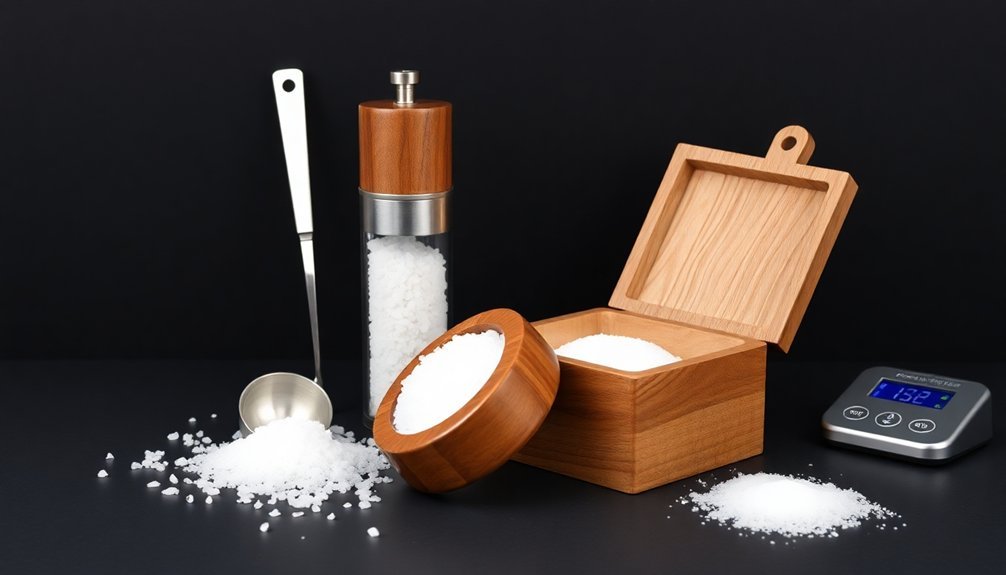
Ready to preserve food with wood ash? You'll need specific containers and tools to guarantee successful preservation. Start with a stoneware pot or earthenware crock that's large enough to hold both your food and the ash. For tomatoes, you can also use cardboard boxes or woven baskets. Make certain your container has a reliable seal, whether it's a fitted lid or a weighted plate.
The wood ash method has proven highly effective for preservation while enhancing the natural flavors of foods. You'll want to gather a large spoon or trowel for handling ash, a sharp knife for food preparation, and paper or hardware cloth for sifting and lining. Don't forget to include a stone or brick to weigh down the lid.
For the preservation process, you'll need cool, dry wood ash from your cooking fire or woodstove. You'll need to sift it multiple times to achieve a fine, uniform texture free of debris.
When selecting foods, choose hard cheeses like Gruyère or cheddar, cut them 1-1.5 inches thick, and make sure they're in good condition. For tomatoes, pick ripe but firm ones without blemishes. If you're preserving meat, hickory ash works particularly well.
Store your preserved foods in a cool, dark place like a cellar or basement.
Choosing the Right Wood Ash
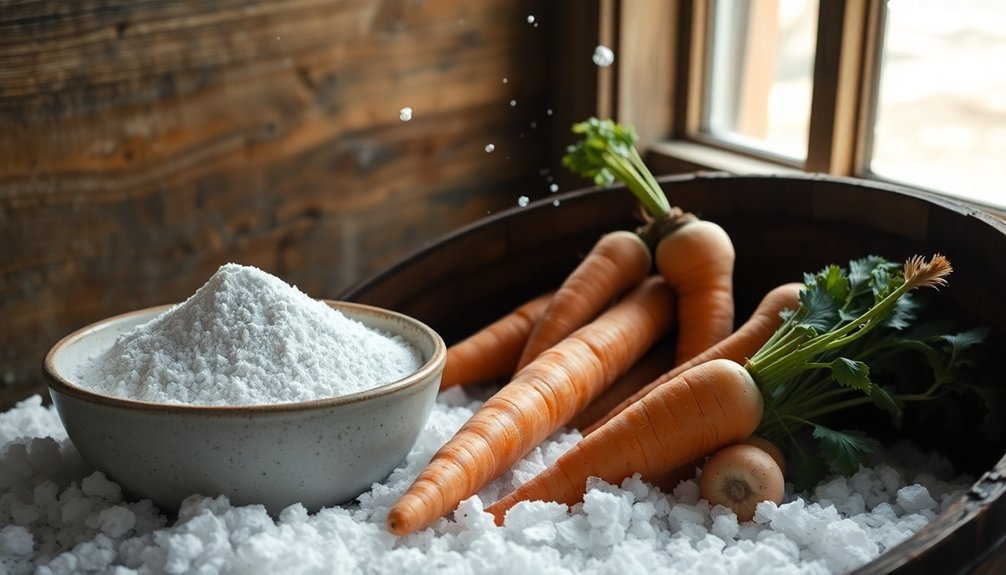
Selecting the right wood ash stands as an essential first step in food preservation. You'll want to focus on hardwoods like maple, oak, or hickory, as they produce the most effective ash for preservation. Don't use ash from pressure-treated lumber, plastics, or softwoods, as these can contain harmful chemicals that'll compromise your food's safety. The ash should be properly cooled as excessive alkalinity levels ranging from pH 9-13 can affect food quality.
Once you've collected your ash, make certain it's completely cooled and dry before use. You'll need to sift it multiple times to remove debris and achieve a fine, smooth consistency that's ideal for preservation.
| Wood Type | Preservation Suitability |
|---|---|
| Maple | Excellent – High mineral content |
| Oak | Excellent – Dense, clean ash |
| Hickory | Excellent – Traditional choice |
| Pine | Poor – Contains resins |
| Treated Lumber | Dangerous – Toxic chemicals |
Remember to store your sifted ash in a dry place until you're ready to use it. You'll know you've got quality ash when it's uniformly fine, free from visible debris, and completely dry to the touch. For best results, store your ash in an airtight container away from moisture until you're ready to begin the preservation process.
Preparing Food for Storage
The process of preparing food for wood ash storage requires careful attention to both selection and technique.
You'll need to start by choosing the right type of food, as not all items are suitable for this preservation method. Hard cheeses like Gruyere and Cheddar work well, while soft cheeses don't preserve properly due to their moisture content.
Before storing your food, confirm it's properly prepared. For cheese, cut it into 1-1.5 inch thick pieces to maintain its integrity during preservation. It's wise to taste a small piece beforehand so you can compare the flavor later.
With eggs, you can place them directly in the ash without special preparation, while meat and produce require cleaning before storage.
Here are the key steps for preparing different foods:
- Cut hard cheeses to appropriate thickness and sample initial flavor
- Clean all produce thoroughly before preservation
- Place whole, uncracked eggs directly into the ash
- Prepare meat similarly to cheese, adjusting thickness as needed
- Verify all foods are dry on the surface before storage
Remember that proper food selection and preparation are essential first steps in successful wood ash preservation.
Wood Ash Storage Containers
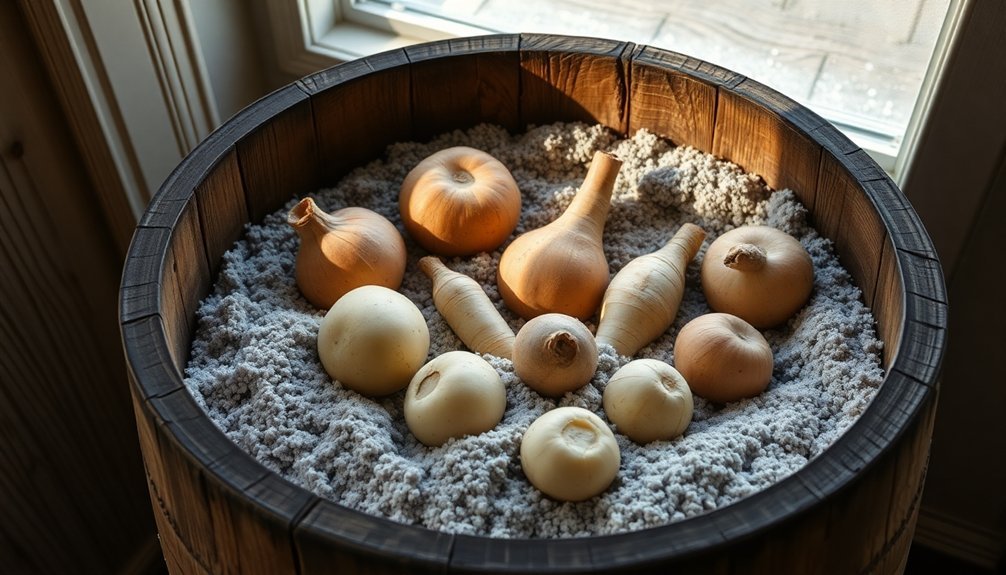
Proper containers serve as the foundation for successful wood ash food preservation. You'll want to select earthenware crockery as your primary storage vessel, as it's proven effective for this traditional method. If you're using a container without a built-in lid, you can place a plate on top and secure it with a stone or brick to maintain the preservation environment.
| Container Type | Recommendation |
|---|---|
| Earthenware | Best choice – provides ideal conditions |
| Metal | Avoid – corrodes from ash alkalinity |
| Plastic | Avoid – inadequate protection |
Your storage container must maintain cool, dark conditions while preventing air and moisture from reaching the preserved food. Don't use plastic containers or leave plastic wrapping on cheese, as these materials won't provide adequate protection. Metal containers aren't suitable either, as they'll corrode from the ash's alkaline properties.
Before adding food to your container, sift the wood ash to remove large chunks, ensuring even distribution around your preserves. Place your container in a cool, dark indoor location, away from moisture and pests. If you must store outdoors, position it on packed soil or a pad with proper drainage, keeping it away from wells and animal watering areas.
Step by Step Storage Process
You'll want to start by preparing your wood ash containers, making sure they're clean, dry, and properly lined with paper to create an effective preservation environment.
Before placing any food items in the ash, thoroughly clean and inspect them for any signs of damage or early spoilage.
It's essential to monitor your storage conditions regularly, keeping the containers in a cool, dark place and checking periodically for any signs that might indicate compromised preservation.
Preparing Wood Ash Containers
Successfully preserving food with wood ash requires careful preparation of your storage containers and materials.
You'll need to start by selecting appropriate vessels like earthenware crockery, cardboard boxes, or woven baskets. Before adding any food or ash, line your chosen container with paper to create a barrier between the ash and your preserved items.
The ash you'll use needs careful preparation too. Collect it from your fire pit or chimney, then sift it multiple times through hardware cloth to achieve a fine, debris-free consistency. Make sure the ash is completely dry and free from large chunks or sharp particles.
Here are the essential container preparation steps you can't skip:
- Line your container with paper to prevent direct food-to-ash contact
- Check thoroughly for any moisture or dampness
- Confirm the container can be properly sealed
- Test the container's ability to maintain cool, dark conditions
- Verify the container is sturdy enough for long-term storage
Once you've prepared your container and ash, you'll create alternating layers starting with a 1.5-inch ash base.
Keep your container in a cool, dark location away from water sources and maintain consistent storage conditions throughout the preservation period.
Clean Food Before Storage
Preparation is the foundation of effective food preservation using wood ash. Before you begin the storage process, you'll need to properly clean and prepare your food items to guarantee successful preservation.
Start by thoroughly cleaning your food items to remove any dirt, debris, or contaminants. For hard cheeses, remove all factory packaging and plastic wrap to allow direct contact with the ash.
When preparing tomatoes, select only newly picked, ripe ones without bruises or blemishes, and arrange them stem-side down to prevent moisture buildup.
If you're preserving eggs, confirm they're clean and dry before coating them evenly with wood ash. For meat preservation, especially when using hickory ash, handle it carefully to avoid cross-contamination.
You'll want to remove any packaging materials that could trap moisture or promote decay.
Remember that proper food contact with ash is vital. Don't use pieces that are too thin, as they may be consumed by the ash.
You'll need to confirm your food items can be completely surrounded by 1 to 1.5 inches of sifted wood ash. This thorough coverage is essential for creating an effective preservation environment.
Monitor Storage Conditions
Vigilance plays an essential role in the storage process when preserving food with wood ash. You'll need to monitor your storage conditions regularly to guarantee your preserved food stays safe and maintains its quality.
Check your cellar or basement periodically, focusing on temperature stability and moisture levels, as these factors directly impact preservation success.
Make it a habit to inspect your storage containers for any signs of trouble. You're looking for moisture infiltration, pest activity, or container damage that could compromise your food.
Don't disturb the ash or food during these checks, but make sure the containers remain properly sealed.
Key monitoring points to maintain ideal storage conditions:
- Verify the storage area stays cool and dark consistently
- Check that ventilation remains adequate to prevent gas buildup
- Inspect containers for cracks or damage that could let in air
- Monitor humidity levels to keep the ash dry
- Look for any signs of pest activity around the storage area
Best Foods for Ash Storage
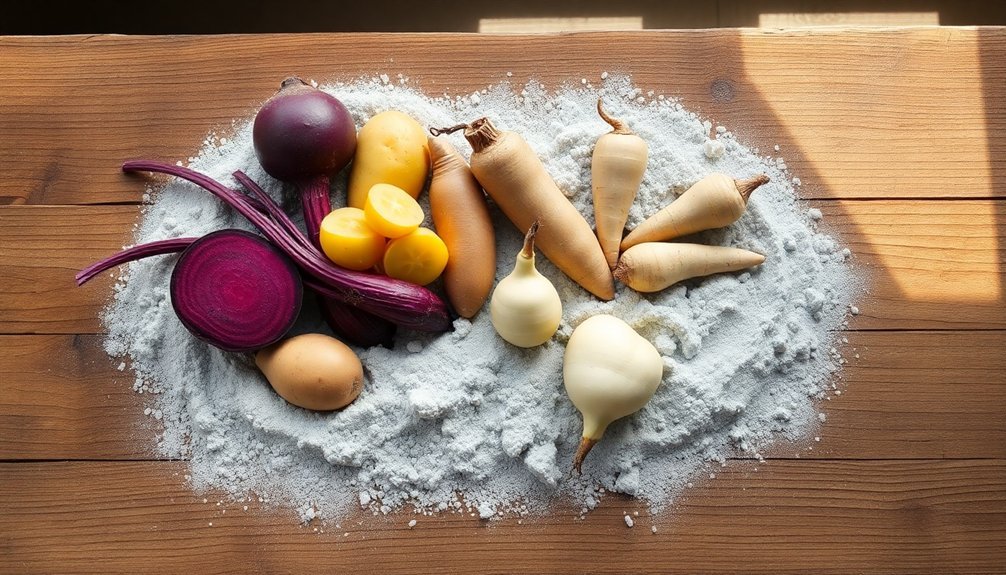
Several traditional foods can be effectively preserved using wood ash storage, each requiring specific preparation methods for best results.
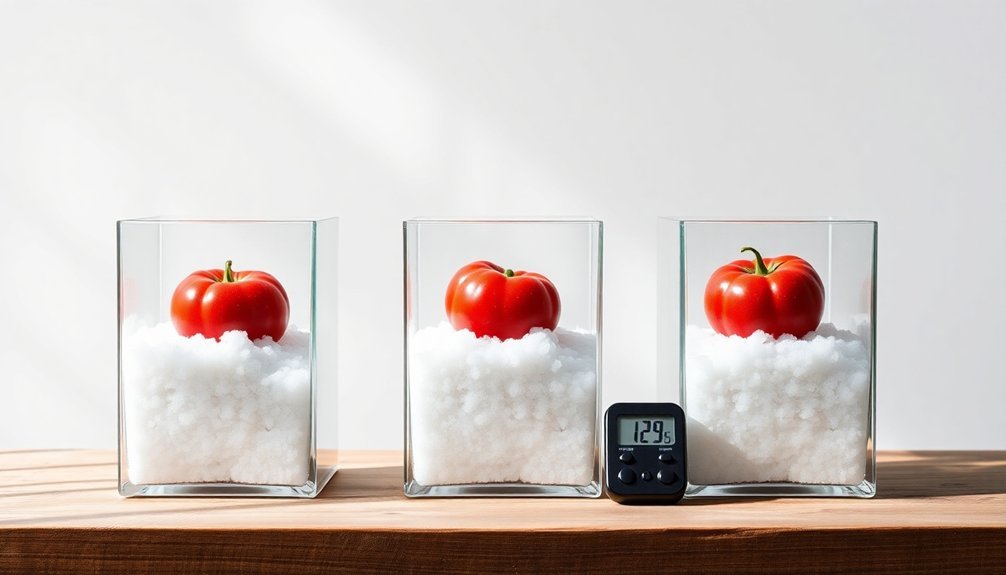
You'll find that tomatoes work particularly well when you select newly picked, ripe ones without blemishes and layer them in wood ash. They can last up to three months when stored in a cool, dry place.
For dairy products, you'll want to focus on hard cheeses like Gruyere. Place your cheese in a stoneware pot with 1-1.5 inches of sifted wood ash surrounding it. Don't attempt this method with soft or medium cheeses, as their high moisture content makes them unsuitable.
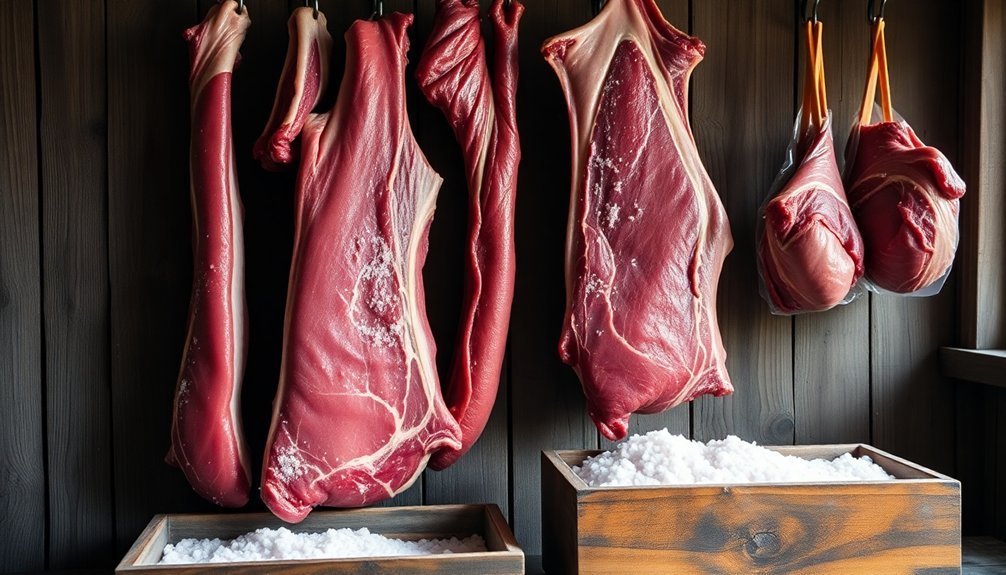
Meat preservation works especially well with hickory ash, a technique historically used by Cherokee people. You can layer your meat with ash in containers or ground holes, ensuring you keep it in a cool, dark location. The ash effectively deters pests while preserving the meat's quality.
Before storing any food, you'll need to sift your wood ash to remove debris. Use appropriate containers like earthenware crocks or cardboard boxes, and always maintain a cool, dry environment for best preservation results.
Safety Measures and Precautions
Safe wood ash preservation demands strict precautions due to its potentially hazardous contents. When handling wood ash for food storage, you'll need to protect yourself from harmful substances like heavy metals, polycyclic aromatic hydrocarbons, and crystalline silica that can cause serious health issues, including cognitive disabilities and lung damage.
Always follow these essential safety measures when preserving food with wood ash:
- Use only ash from hardwoods that haven't been treated with chemicals or preservatives.
- Sift the ash thoroughly to remove large particles and potential contaminants.
- Store your ash supply in a cool, dark place to minimize its reactivity.
- Wear protective gear including gloves, goggles, and a respirator mask.
- Keep children away from ash handling and storage areas.
Never use ash from burned pressure-treated lumber, softwoods, or unknown sources.
When rinsing preserved foods, be thorough to remove all ash particles. Consider testing your ash source if you're uncertain about its safety, as mercury and arsenic levels can exceed legal limits.
Remember that proper ash management isn't just about food safety—it's also vital for protecting your health and the environment.
Common Mistakes to Avoid
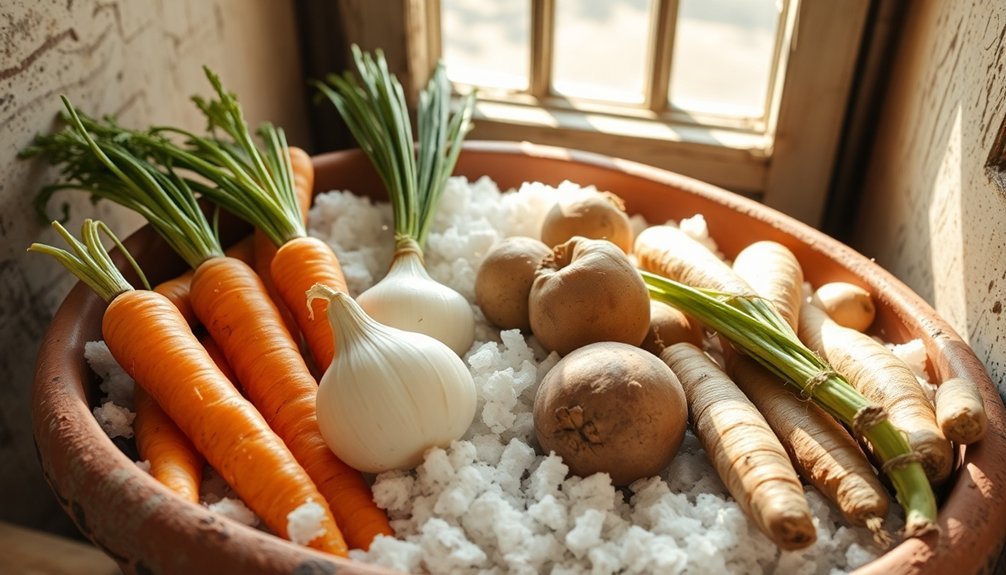
Making mistakes during wood ash preservation can quickly render your food inedible or even dangerous to consume. One of the most critical errors is using the wrong type of ash – stick to hardwoods like maple or oak, and never use ash from pressure-treated lumber, plastics, or mixed materials.
You'll need to sift the ash properly to remove any sharp debris or foreign particles.
Storage conditions can make or break your preservation efforts. Don't forget to keep your preserved food in a cool, dark place using airtight containers that prevent moisture infiltration.
You'll want to avoid areas prone to humidity or direct sunlight, as these conditions can compromise the preservation process.
Watch out for improper food preparation techniques. Only preserve hard cheeses, and verify all food items are fresh and unblemished.
You'll need to remove any factory packaging and coat the food evenly with ash, maintaining complete surface contact.
Pay attention to your ash-to-food ratios – for example, use 1.5 kg of ash per 1 kg of tomatoes. Always apply consistent layers between food items and confirm the ash is completely cool before use.
Traditional Cultural Preservation Methods
You'll find fascinating examples of indigenous food preservation across cultures, from the Cherokee's use of hickory ash to preserve meat to African farmers protecting their tomatoes with wood ash.
Different regions developed unique approaches based on their local wood types, with each culture perfecting techniques suited to their specific climate and available resources.
These preservation methods often became integral parts of cultural ceremonies and seasonal rituals, linking food storage practices to community traditions and spiritual beliefs.
Ancient Indigenous Storage Practices
Indigenous peoples across the Americas mastered sophisticated food preservation techniques that sustained their communities through changing seasons and lean times. Their storage methods were remarkably diverse, from the Inca's ingenious stone silos to the Native Americans' sealed storage rooms for dried corn.
You'll find these ancient practices were carefully adapted to local climates and available resources. The Andeans developed *chuño* by freeze-drying potatoes at night and squeezing out water during the day. They'd store these preserved foods in ceramic containers and stone silos, where they'd remain edible for months or even years.
Key storage practices across indigenous cultures included:
- Using rawhide bags for transportable food storage
- Creating sealed rooms specifically for corn preservation
- Storing dried foods in ceramic containers to protect from moisture
- Building stone silos for long-term storage of quinoa and potatoes
- Utilizing grass mats and animal hides for drying processes
These storage methods weren't just practical; they were essential for survival. Native Americans would dry vegetables like squash in strips on flat rocks, while the Inca's storage systems were so effective that archaeologists have found perfectly preserved food in ancient burial sites.
Regional Wood Ash Variations
Traditional societies across continents developed distinct approaches to wood ash preservation, each adapting to their local resources and food preservation needs.
In Africa, you'll find farmers preserving tomatoes by carefully layering them with wood ash, selecting only newly picked, ripe fruit without blemishes. The ash keeps the tomato pulp juicy while preventing spoilage through moisture control.
The Cherokee people specialized in meat preservation using hickory ash, which wasn't just a preservative but also enhanced the meat's flavor. You'll want to use sifted hickory ash specifically, as it contains unique properties that make it particularly effective for this purpose.
In European traditions, you can preserve cheese using wood ash in stoneware pots. If you're following their method, you'll need to cover your cheese with about 1-1.5 inches of sifted ash and store it in a cellar for up to three months. This technique works especially well with harder cheeses, creating a protective rind that prevents spoilage.
Across all regions, you'll need to guarantee you're using chemical-free ash from natural plants, sifting it thoroughly before use, and storing your preserved foods in cool, dark locations.
Cultural Preservation Ceremonies
Throughout cultures worldwide, sacred ceremonies play an essential role in preserving traditional ecological knowledge and community identity. When you participate in wood ash preservation ceremonies, you're not just learning a practical skill – you're engaging in an ancestral practice that strengthens community bonds and preserves cultural heritage.
These ceremonies often involve storytelling, where elders share oral histories about traditional food storage methods and their ecological significance.
You'll find that these preservation ceremonies serve multiple purposes in maintaining cultural identity:
- Facilitate intergenerational knowledge transfer about proper wood selection and ash preparation
- Create opportunities for language preservation through traditional terminology
- Strengthen community cohesion through shared ritual experiences
- Connect participants to ancestral ecological wisdom
- Provide a platform for performing arts and cultural expression
Beyond Food Storage Uses
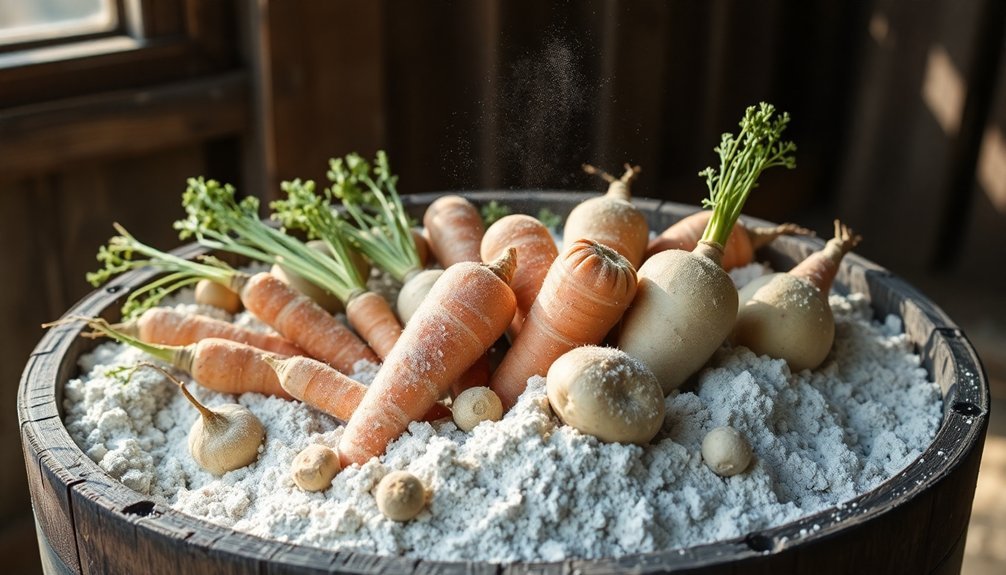
Wood ash's versatility extends far beyond its traditional role in food preservation. You'll find it's an invaluable tool for multiple household and garden applications, making it worth collecting and storing year-round.
In your garden, you can use wood ash to improve soil health markedly. Sprinkle it around your tomato plants to prevent calcium deficiency, or mix it into acidic soil to raise the pH level.
You'll notice it's particularly effective at deterring garden pests – create a protective barrier around your plants to keep slugs and snails at bay.
For household cleaning, you'll discover wood ash's remarkable properties. Mix it with water to create a natural cleaning paste for glass and metal surfaces. It's especially effective at removing tarnish from silver and cleaning hazy headlights.
When winter arrives, you can use it to melt ice on your walkways.
Don't forget its pest control capabilities – sprinkle it in corners to deter cockroaches or use it as a moth repellent in storage areas.
For pet owners, it's particularly useful in neutralizing skunk odors if your curious dog has an unfortunate encounter.
Frequently Asked Questions
Can Food Preserved in Wood Ash Be Gifted or Sold Commercially?
You shouldn't sell wood ash-preserved food commercially due to lack of standardized regulations and safety protocols. While you can gift it personally, commercial sales aren't recommended without proper certifications and food safety compliance.
Does the Type of Wood Used Affect the Taste of Preserved Food?
Yes, you'll notice different wood types affect flavor. Hickory ash adds a distinct taste to meats, while birch ash gives a salty flavor. However, most hardwoods primarily preserve without strongly impacting taste.
How Do You Know When Ash-Preserved Food Has Gone Bad?
You'll know your ash-preserved food has spoiled if you spot mold, notice foul odors, see unusual colors, find slime on the surface, or detect bubbling. Trust your senses and discard anything suspicious.
Can Wood Ash Preservation Be Combined With Other Preservation Methods?
Yes, you can combine wood ash preservation with other methods. It works especially well with cool storage and airtight containers. You'll get the best results when you pair it with proper drying and aging techniques.
What Happens if Preserved Food Accidentally Freezes in Ash Storage?
If your ash-preserved food freezes, you'll notice texture changes and possible container damage. While it's still safe to eat, you should thaw it slowly and check for spoilage before consuming it.
In Summary
Wood ash preservation connects you to ancient wisdom while offering a practical storage solution. You'll find it's an effective way to preserve foods without electricity or modern additives. Whether you're interested in traditional food storage or seeking self-reliant alternatives, wood ash preservation provides a reliable method. Remember to follow safety guidelines, select appropriate containers, and maintain proper ash quality for the best preservation results.

Leave a Reply